Closure of the Strait of Hormuz: A Major Threat to the Global Economy
Strait of Hormuz Tensions Raise Fears for Global Oil Supply,Middle East Tensions Put World’s Key Oil Route at Risk

Closure of the Strait of Hormuz: A Major Threat to the Global Economy
Brussels: 06 March 2026.( M. nadeem Butt ) Rising tensions in the Middle East have once again brought the strategic Strait of Hormuz into global focus. The narrow but extremely busy waterway connects the Persian Gulf with the Gulf of Oman and the Arabian Sea, making it one of the most critical maritime routes in the world. Any disruption or closure of this passage could have serious consequences for global trade and the energy market.
A Vital Route for Global Energy Supply
A significant portion of the world’s energy supply passes through the Strait of Hormuz. According to global estimates, nearly 20 percent of the world’s crude oil and about 30 percent of liquefied natural gas shipments move through this route every day. Gulf countries such as Saudi Arabia, United Arab Emirates, Kuwait, Qatar and Iraq heavily rely on this passage to export their oil and gas to international markets. Any blockage of the strait could disrupt global energy supplies within a short period of time.
Growing Regional Tensions
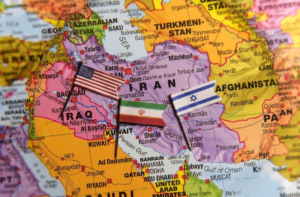
The situation in the region has become increasingly sensitive due to the ongoing tensions between Iran and Israel, along with the naval presence of the United States in nearby waters. Analysts believe that increased military activity in the area could threaten the safety of commercial shipping, raising concerns for global trade routes and maritime security.
Impact on Oil Prices and the Global Economy
If the Strait of Hormuz were to close, the immediate impact would likely be a sharp rise in global oil prices. Reduced supply in the international market could lead to higher fuel costs, affecting petrol, diesel and electricity prices worldwide. As energy prices rise, transportation, manufacturing and production costs would also increase, potentially triggering a wave of inflation across many economies.
Possible Effects on Asian Economies
Countries that rely heavily on Gulf energy imports would be among the most affected. Major Asian economies such as China, India and Japan import a large share of their oil and gas from the Gulf region. Any disruption in supply could lead to energy shortages, affecting industrial output and economic growth in these countries.
Limited Alternatives and Global Concerns
Although some Gulf states have developed alternative oil pipelines and routes to reduce reliance on the strait, experts say these options cannot fully replace the Strait of Hormuz. For this reason, global powers continue diplomatic and military efforts to ensure the security and uninterrupted operation of this crucial maritime corridor.
Overall, the Strait of Hormuz is not just a geographical passage but a vital artery of the global economy. Any disruption in this route would not only affect energy markets but could also have far-reaching consequences for international trade, inflation and global economic stability. This is why the world continues to closely monitor developments in and around this strategically important waterway.