Pakistan’s Diplomatic Breakthrough Leads to Iran–US Ceasefire
Global Leaders Praise Islamabad’s Role in Preventing Major Conflict

Brussels 8 April 2026 (Written by M.Nadeem Butt Correspondent Ary News Belgium EU)
A significant diplomatic breakthrough has emerged as the United States and Iran agreed to a two-week ceasefire following weeks of escalating tensions in the Middle East. Pakistan has been widely credited for playing a crucial mediating role in bringing both sides to the negotiating table, earning global recognition for its effective diplomacy.
International media and political leaders have acknowledged Pakistan’s efforts in preventing a potentially large-scale conflict. The country’s leadership, particularly Prime Minister Shehbaz Sharif and Field Marshal General Asim Munir, has been praised for pursuing dialogue and peaceful negotiations at a critical moment when the situation was close to further escalation.
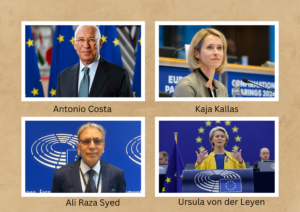
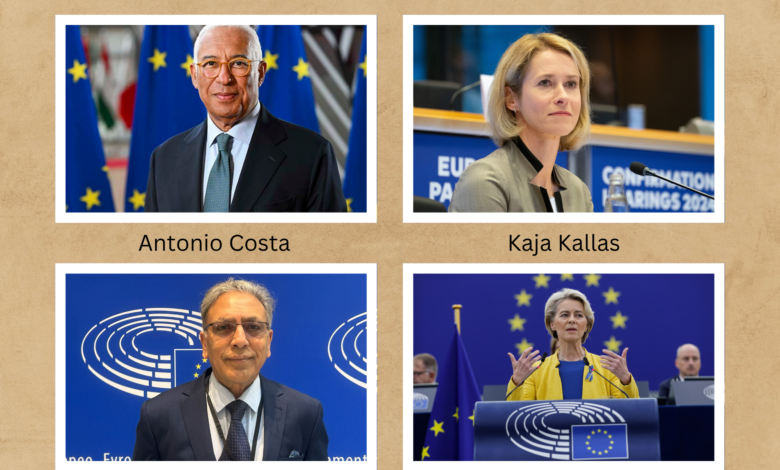
European leadership also welcomed the development. European Council President Antonio Costa and European Commission President Ursula von der Leyen described the ceasefire as an important step toward regional peace and stability. They emphasized the need for all parties to respect the agreement and continue diplomatic engagement to reach a long-term solution.
EU High Representative for Foreign Affairs Kaja Kallas highlighted that the agreement marks a major turning point after weeks of tension. She noted that the ceasefire could help reduce risks, halt missile attacks, restore maritime trade, and create space for a lasting diplomatic resolution. She also stressed the importance of reopening the Strait of Hormuz and continuing mediation efforts, while acknowledging Pakistan’s constructive role and thanking its leadership for facilitating dialogue.
A joint statement by several global leaders, including European heads of state and government, welcomed the ceasefire and appreciated Pakistan and other partners for enabling the agreement. They stressed that diplomacy remains the only viable path forward and called for swift progress toward a permanent settlement to ensure regional security and prevent a global energy crisis.
Chairman Kashmir Council EU, Ali Raza Syed, also praised Pakistan’s leadership, calling it a major diplomatic success. He commended the Prime Minister, General Asim Munir, and the current government for their strategic approach, stating that Pakistan has demonstrated its ability to play a responsible and effective role in global peacebuilding.
Experts have described this development as one of Pakistan’s most notable diplomatic achievements in recent years. Analysts believe that Pakistan’s unique position — maintaining balanced relations with both Iran and the United States — enabled it to act as a credible mediator. Its historical, cultural, and strategic ties with Iran, along with its engagement with Western powers, strengthened its ability to bridge the gap between the two sides.
In my openion Pakistan’s role in facilitating the ceasefire is likely to significantly enhance its international standing. By successfully mediating between two major adversaries, the country has positioned itself as a reliable diplomatic actor capable of contributing to global peace and stability. This may open doors for stronger political ties and increased trust from both Western and regional partners.
Economically, stability in the Middle East—particularly around the Strait of Hormuz—directly benefits Pakistan, which relies heavily on energy imports. A reduction in conflict risk can help prevent fuel price shocks and support economic stability. Moreover, this success could attract greater foreign investment and diplomatic engagement.
Looking ahead, Pakistan may continue to play a key role in facilitating further negotiations between Iran and the United States. If sustained, this diplomatic momentum could translate into long-term strategic advantages, strengthening Pakistan’s influence in regional and global affairs.